

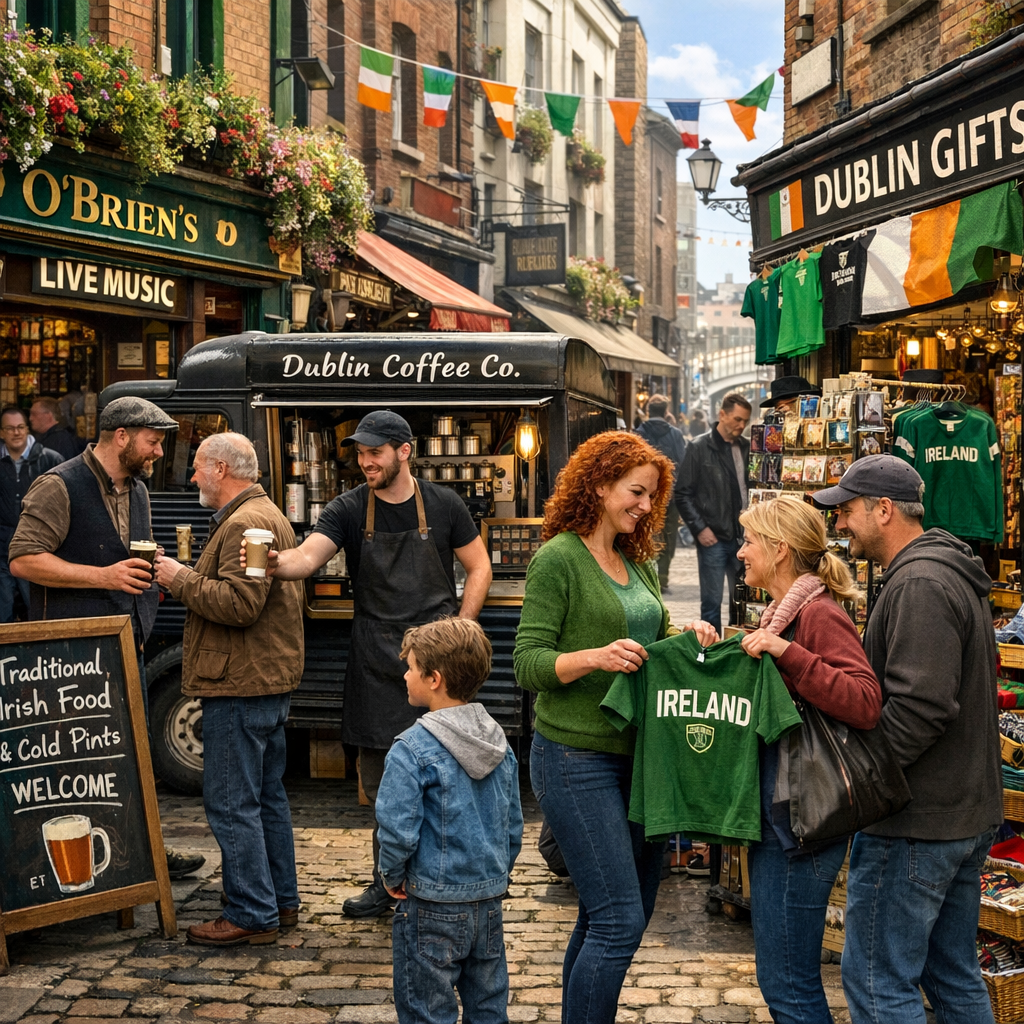
Dublin’s economic landscape continues to demonstrate resilience and growth, with recent data highlighting a robust private sector and a supportive environment for entrepreneurs.
Private Sector Growth
The latest S&P Global Purchasing Managers’ Index (PMI) survey indicates a significant uptick in Dublin’s private sector activity. The headline index rose to 55.6 in the first quarter of 2026, up from 53.2 in the previous quarter, marking the highest growth since mid-2022. This expansion is particularly notable in the construction and manufacturing sectors, with indices of 60.7 and 59.9, respectively. The services sector also continued to expand, albeit at a slightly softer pace, with an index of 52.4. In contrast, the rest of Ireland experienced a slight decline in overall business activity, with an index of 49.7.
Entrepreneurial Support and Job Creation
Local initiatives have played a pivotal role in fostering entrepreneurship and job creation. The Local Enterprise Office (LEO) Dublin City reported that its supported companies created 421 new jobs in 2025, resulting in a net employment gain of 174. Currently, LEO Dublin City supports 397 small businesses, employing a total of 2,051 people.
Additionally, programs like RiseUP, launched by the Open Doors Initiative, Broadlake, and TU Dublin, offer tailored support to entrepreneurs from migrant or refugee backgrounds. This free program includes monthly webinars, individual mentorship, workshops, and access to advice clinics, catering to entrepreneurs at various stages of their business journey.
Business Support Services
Organizations such as Bridge Enterprise Centres provide comprehensive business support services, including mentorship, training, and resources for growth. Their dedicated team assists entrepreneurs, start-ups, and small to medium-sized businesses at various stages of development, offering general business training, mentoring, coaching, and networking opportunities.
Furthermore, Ireland’s Business Innovation Centres (BICs) offer support to start-up and scaling enterprises, providing access to funding, mentorship, and specialized resources. These centers work with innovative businesses, offering a unique blend of funding support, expert mentorship, and innovation-driven development.
Conclusion
Dublin’s economy continues to exhibit resilience and growth, supported by a strong private sector and a robust network of resources for entrepreneurs. The city’s commitment to fostering innovation and supporting small businesses positions it as a dynamic hub for economic activity and entrepreneurial success.